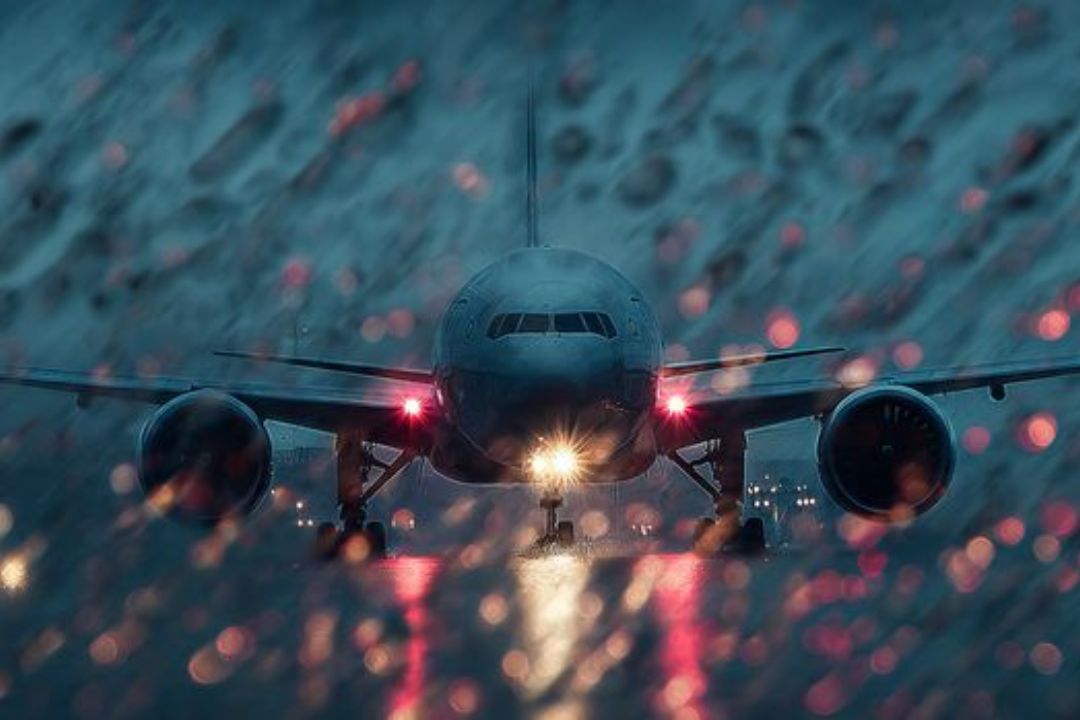
Many people wonder, Can planes fly in the rain? The answer is simple—yes, they can.
Modern airplanes are designed to handle rain and many other weather conditions safely.
Pilots receive special training to deal with rain, wind, fog, and even lightning.
However, not all weather is safe to fly in. Severe storms, ice, or poor visibility can affect flight schedules and cause delays.
This article explains how rain impacts flights and how pilots prepare for such conditions.
Do Airplanes Fly in the Rain?
So, Can planes fly in the rain? Absolutely.
Airplanes are built to fly in light and moderate rain without issues.
Most aircraft only pass through rain during takeoff and landing. Once at cruising altitude, planes usually fly above the clouds where the air is clear and dry.
Aircraft systems are well-protected from water. Engines, wings, and electronics are all sealed and tested to work in wet conditions.
Rain alone doesn’t usually affect safety or performance.
However, heavy rain combined with thunderstorms can create turbulence. In such cases, pilots use radar to change routes and avoid dangerous weather systems.
Does Rain Cancel Flights?
You might ask again, Can planes fly in the rain? Yes—but sometimes flights get canceled for safety reasons.
Light rain almost never cancels a flight. But freezing rain or very low visibility can cause problems.
When rain freezes on aircraft surfaces, it creates a thin layer of ice that affects lift and control.
If freezing rain is expected, the aircraft must be de-iced before takeoff. This process takes time and sometimes leads to cancellations if conditions worsen.
Here’s a quick look at how different rain conditions affect flights:
| Type of Rain | Effect on Flights | Action Taken |
|---|---|---|
| Light Rain | Minimal effect | Normal operations |
| Moderate Rain | Reduced visibility | Possible short delay |
| Heavy Rain | Low visibility and wet runways | Delays or temporary holds |
| Freezing Rain | Ice buildup on aircraft | De-icing or cancellations |
| Thunderstorm with Rain | Turbulence and lightning risk | Flight rerouting or delay |
Rain only cancels flights when safety is at risk. Most modern airports are equipped to handle wet runways and advanced landing systems that work in low visibility.

Does Rain Delay Flights?
A normal rain shower usually doesn’t cause a delay.
However, when rain is heavy and mixed with other conditions like fog or lightning, flights may be delayed for safety.
Pilots and air traffic control follow strict weather guidelines. They may delay departures or landings to avoid risk.
Sometimes ground crews also pause operations when lightning is near the airport.
Small delays often happen when the rain is part of a thunderstorm system. Once the storm passes, flights continue normally.
So, Can planes fly in the rain? Yes, but sometimes nature tells us to wait a little while.
How Do Pilots Train to Fly in the Rain?
Pilot training includes learning to fly in all kinds of weather.
Flight simulators help students experience realistic rain, wind, snow, and even storm conditions safely on the ground.
In a simulator, pilots practice how to handle poor visibility, wet runways, and strong winds.
After simulator sessions, pilots perform real-world training flights in actual rain conditions.
This training builds confidence and skill. Pilots learn how to use aircraft instruments to fly safely, even when they can’t see clearly outside.
So when you ask, Can planes fly in the rain?—remember that pilots are trained for it from the very start of their careers.
Common Night Flying Hazards
Flying at night adds extra challenges for pilots.
Visibility is lower, and human eyes take time to adjust to the dark.
Here are a few common night flying hazards:
- False Horizons: City lights or cloud reflections can trick pilots into thinking the horizon is tilted.
- Black Hole Effect: When landing in dark areas with few lights, pilots may misjudge distance and altitude.
- Autokinesis: A single light can appear to move when stared at for a long time.
To manage these risks, pilots rely on their cockpit instruments instead of visual cues.
Modern aircraft have advanced navigation systems that guide them safely through dark skies.
Rain at night can make visibility even worse, but again—Can planes fly in the rain? Yes, because instruments and training make it possible.
Most Dangerous Weather Hazards in Aviation
Rain is not usually dangerous, but other weather types can be serious threats to aviation.
Thunderstorms
Thunderstorms are among the most hazardous weather events for aircraft.
They produce strong updrafts, downdrafts, and lightning.
Pilots avoid flying directly through them and reroute around storm cells using weather radar.
Fog
Fog reduces visibility to near zero.
When pilots can’t see the runway, airports switch to low-visibility procedures, slowing down air traffic.
Snow and Ice
Snow alone isn’t too dangerous, but ice is.
Ice buildup changes the shape of wings, reducing lift.
De-icing and anti-icing systems help keep planes safe during winter conditions.
Here’s a summary of the most dangerous weather hazards for aircraft:
| Weather Type | Risk Level | Impact on Flights |
|---|---|---|
| Rain | Low | Rarely delays flights |
| Thunderstorms | High | Causes turbulence and route changes |
| Fog | High | Limits visibility; may delay landings |
| Snow | Moderate | Slows airport operations |
| Ice | Very High | Dangerous for lift and control |
Even though some weather conditions are hazardous, aviation safety systems and pilot training ensure that flights remain as safe as possible.
Contact J.A. Flight Training Today
At J.A. Flight Training, pilots learn to handle all types of weather—including rain, fog, and storms.
Training programs include both simulator sessions and real flight practice to build confidence in severe conditions.
If you’re thinking about becoming a pilot, start your journey today.
Learn how to manage every flight safely, no matter what the weather brings.
Frequently Asked Questions
1. Can planes fly in the rain?
Yes, planes can fly safely in rain. Aircraft are built to handle water and wet conditions.
2. Do pilots avoid thunderstorms?
Yes. Pilots use radar to detect thunderstorms and fly around them to avoid danger.
3. Does heavy rain delay flights?
Sometimes. Heavy rain may cause short delays, especially during takeoff and landing.
4. How do pilots see when flying in rain or fog?
Pilots rely on cockpit instruments and radar to navigate safely when visibility is poor.
5. Can lightning strike an airplane?
Yes, but it’s rarely dangerous. Airplanes are designed to conduct lightning safely without damage.
Conclusion
So, Can planes fly in the rain? Yes, they absolutely can.
Rain is a normal part of flying and doesn’t usually affect flight safety.
Airplanes are engineered to perform in wet weather, and pilots are trained to manage rain, storms, and other severe conditions.
However, extreme situations like freezing rain, lightning, or low visibility may cause delays or cancellations for safety reasons.
Next time you see rain before a flight, don’t worry.
Remember that your pilots are trained, your aircraft is prepared, and the skies are still safe to fly through.